

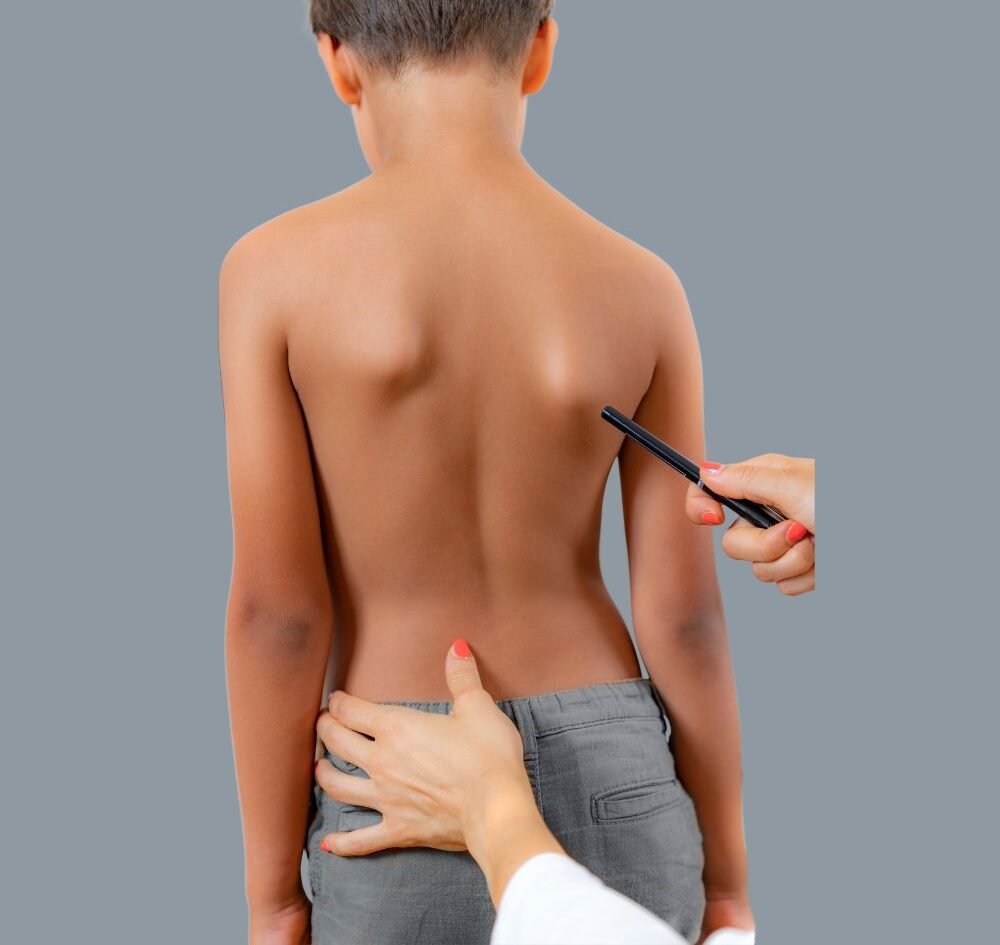
Scoliosis is a condition in which the spine curves sideways instead of staying in a straight line. It often develops slowly and may not cause noticeable symptoms in the early stages, which is why many people do not realize they have it until the curve becomes more visible. Early detection is very important because it can help prevent progression and reduce future pain or posture problems.
Understanding the early signs and getting proper care on time can make a big difference in managing scoliosis naturally. At Taylor Chiropractic & Laser Center, natural treatment approaches are used to support spinal alignment, improve posture, and help patients manage symptoms safely and non-invasively.
What is Scoliosis?
Scoliosis is a medical condition in which the spine curves sideways in an abnormal “S” or “C” shape instead of remaining straight. It can occur in children, teenagers, or adults, and in many cases, it develops gradually over time without obvious early symptoms. The condition can range from mild to severe, depending on the degree of spinal curvature.
In mild cases, scoliosis may not cause serious problems, but as the curve progresses, it can lead to uneven shoulders, hips, posture changes, and back pain. In more advanced cases, it may affect movement, breathing, and overall body balance. That’s why early detection and proper management are important to control its progression and maintain spinal health.
Common Early Signs of Scoliosis
Scoliosis often develops slowly, so the early signs can be subtle at first. However, noticing these changes early is very important for timely management and better posture correction. Below are the key signs explained in detail:
-
Uneven Shoulders
One shoulder appears higher than the other when standing straight. This happens because the spine starts to curve and pulls the body out of balance. It is often one of the first visible signs.
-
Uneven Hips or Waist
One side of the hip or waist may look higher or more prominent than the other. This imbalance becomes more noticeable when wearing fitted clothes or standing in front of a mirror.
-
Visible Spine Curvature
When bending forward, the back may not look even. One side may appear higher or more raised, which is a common sign used in scoliosis screening tests.
-
Head Not Centered
The head may not align properly with the middle of the body and can appear slightly tilted. This happens as the spine tries to compensate for the curvature.
-
Prominent Shoulder Blade
One shoulder blade may stick out more than the other, especially when standing or bending. This is due to uneven spinal alignment.
-
Back Pain or Muscle Tightness
Some individuals may feel mild back pain, stiffness, or muscle fatigue. This is more common after long periods of sitting, standing, or physical activity.
-
Uneven Clothing Fit
Clothes may not sit evenly on the body. Shirts, trousers, or dresses may appear tilted or hang unevenly due to postural imbalance.
How Scoliosis is Treated Naturally
Natural treatment for scoliosis focuses on improving posture, strengthening muscles, and supporting spinal alignment without surgery or invasive procedures. While it may not completely straighten the spine in all cases, it can help reduce discomfort, slow progression, and improve overall balance when followed consistently.
-
Posture Correction Exercises
Simple posture exercises help train the body to maintain a more balanced and aligned position. These movements focus on keeping the shoulders, hips, and spine in proper alignment, which reduces uneven pressure on the back over time.
-
Core Strengthening Workouts
Strong core muscles are essential for spinal support. Exercises that target the abdomen and lower back help stabilize the spine, reduce strain, and improve overall posture control.
-
Stretching and Flexibility Training
Regular stretching helps loosen tight muscles that pull the spine out of balance. Improved flexibility allows smoother movement and reduces stiffness, which is important in managing scoliosis naturally.
-
Yoga and Breathing Techniques
Yoga combines stretching, balance, and controlled breathing, which helps improve posture and reduce muscle tension. Certain poses can support spinal alignment and help the body stay more balanced.
-
Lifestyle and Posture Habits
Daily habits play a major role in scoliosis management. Maintaining correct sitting posture, avoiding slouching, using supportive chairs, and staying active can help prevent worsening of spinal curvature.
-
Physical Therapy Support
Physical therapy focuses on guided exercises designed specifically for spinal conditions. It helps improve muscle balance, correct movement patterns, and strengthen weak areas around the spine. Over time, this can reduce discomfort and improve posture control.
Is Chiropractic Care Safe for Scoliosis?
Yes, chiropractic care is generally considered safe for many scoliosis patients when performed by a trained professional. It focuses on gentle spinal adjustments, improving mobility, and reducing muscle tension.
However, the treatment approach is always customized based on the severity of the curve and the patient’s condition. It is important to consult a qualified chiropractor before starting treatment to ensure safety and effectiveness.
Can Scoliosis Be Permanently Cured?
Scoliosis cannot always be completely “cured,” especially in moderate or severe cases. However, early detection and proper management can significantly control its progression and reduce symptoms. Natural treatments like exercise, posture correction, and chiropractic care can improve quality of life, reduce pain, and help maintain spinal balance over the long term.
FAQs:
-
1. Is scoliosis painful?
Mild scoliosis may not cause pain, but moderate to severe cases can lead to back pain, stiffness, and muscle fatigue.
-
2. Can exercise help scoliosis?
Yes, exercise is very helpful. Core strengthening, stretching, and posture exercises improve spinal stability, reduce muscle tension, and help maintain better body balance.
-
3. Is chiropractic care safe for scoliosis?
Yes, chiropractic care is generally safe when done by a trained professional. It uses gentle adjustments to improve spinal movement, reduce stiffness, and support better posture.
-
4. Can scoliosis be permanently cured?
Scoliosis cannot always be fully cured, but early care can control its progression. Proper treatment helps reduce symptoms and improve quality of life.
-
5. Can scoliosis be treated naturally?
Yes, scoliosis can be managed naturally with exercises, posture correction, stretching, and physical therapy. These methods help improve spinal support, reduce discomfort, and slow progression, though they may not fully straighten the spine.
Healthy Spine, Better Life
Scoliosis care focuses on improving posture, reducing pain, and supporting overall spinal health. With early care, exercises, and natural treatments, patients can manage symptoms effectively and improve daily comfort, even if the curve cannot always be fully corrected.
Book your consultation today at Taylor Chiropractic & Laser Center for expert scoliosis care.